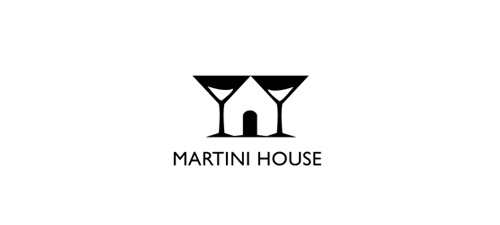
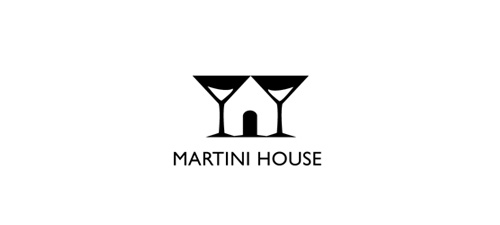
When browsing online to find a logo that uses positive and negative space, I came across the Martini House logo. I think this is a very straightforward design that represents exactly what the business is. I like how the designer used two martini glasses right next to each other then made a house out of it by adding the front door. I also liked how he has the white in the glasses to show that they are somewhat full with alcohol. The designer of the logo is Eddie Brown, unfortunately I don’t think this logo ended up being chosen but it’s still a great logo. You can find this logo along with many of his other designs at https://logopond.com/EBrown/profile/13914/?gallery=&filter=N.
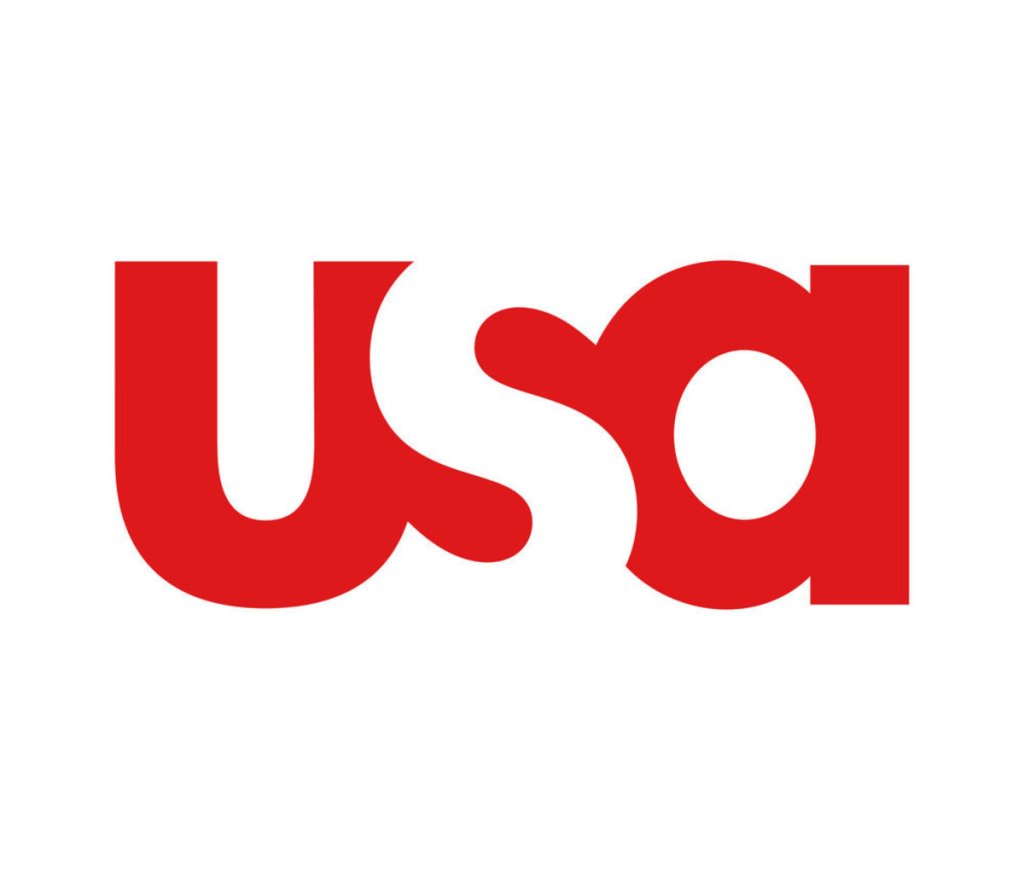
This simple, yet effective logo uses negative & positive space perfectly. The designer, Sean Serio, creates an ‘s’ between the ‘u’ and ‘a’ using negative space that connects all the letters within the word. This logo is clear and easy to understand and doesn’t overcomplicate the logo. USA Network changed their logo to this one in 2005 and have been using it since then.
The American Institute of Architects center logo by Pentagram
This is the American Institute of Architects Center Logo by Pentagram. I think this logo shows good use of positive and negative space. This logo is simple but at the same time, it has a lot going on. The overall active space works really well, it creates the shape of a key and it’s easy to locate for the viewer, I also like how the artist incorporates the city skyline within the key, it’s a great and creative way to active the negative space of the logo. Although this is a very simple design, overall I think this logo uses the white space well.
The Apple Logo was created by Rob Janoff in 1977. It’s easily one of the most recognizable logos today. The use of black and white makes the positive and negative space pop. At first glance most wouldn’t realize the technicality of such a simple logo, but when looked at deeper the design becomes genius. The bite out of the apple is perfectly placed and blended into the background with negative space. Rob Janoff has create a ton of other famous logos to date, here is a link to his site: https://robjanoff.com
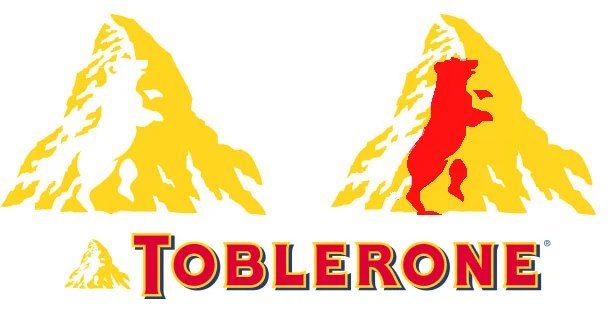
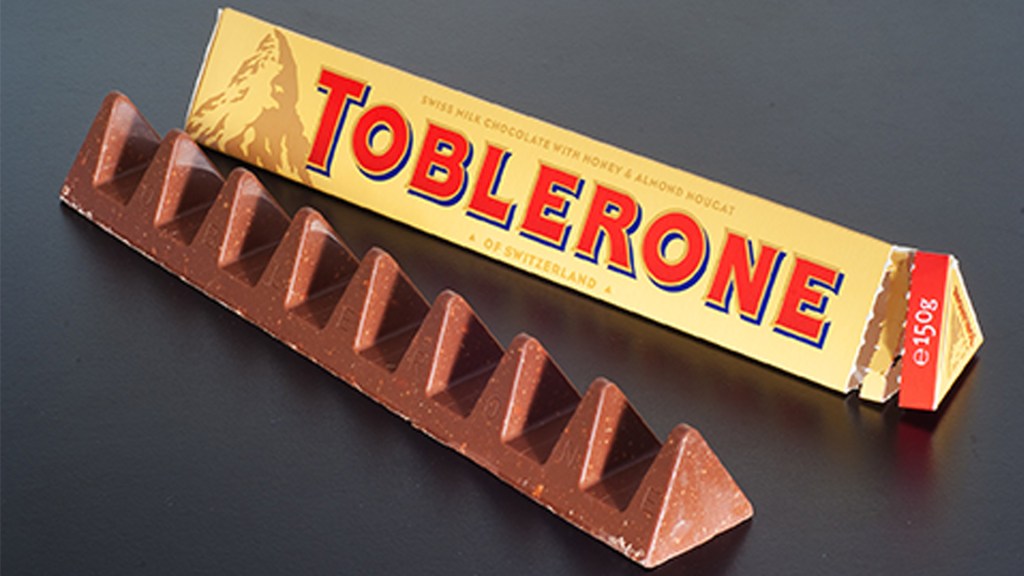
The Toblerone logo dates back to the year 1908 and was created by two men, Theodor Tobler and Emil Baumann. When creating the logo, their goal was to create the shape of a mountain to emulate the shape of their chocolate bar, as their chocolate bars are known for their triangular shape. In addition to echoing the bar shape, they wanted buyers to recognize the mountain icon as the Matterhorn in the Swiss Alps. Within the Matterhorn, Tobler and Baumann chose to incorporate the symbol of a bear in their logo due to the chocolate bars origins. Toblerone was created in Bern, Switzerland which is also known as the “City of Bears”. The bear is featured on the city’s coat of arms and by including the bear, they are paying homage to the treat’s birthplace. At first glance, the bear is hardly noticeable and many may dismiss it at the snow on the alps. If the viewer takes a moment to look at the logo more closely, they will notice the bear standing on its hind legs. This ambiguity is what I believe makes this logo a great example of using positive and negative space.
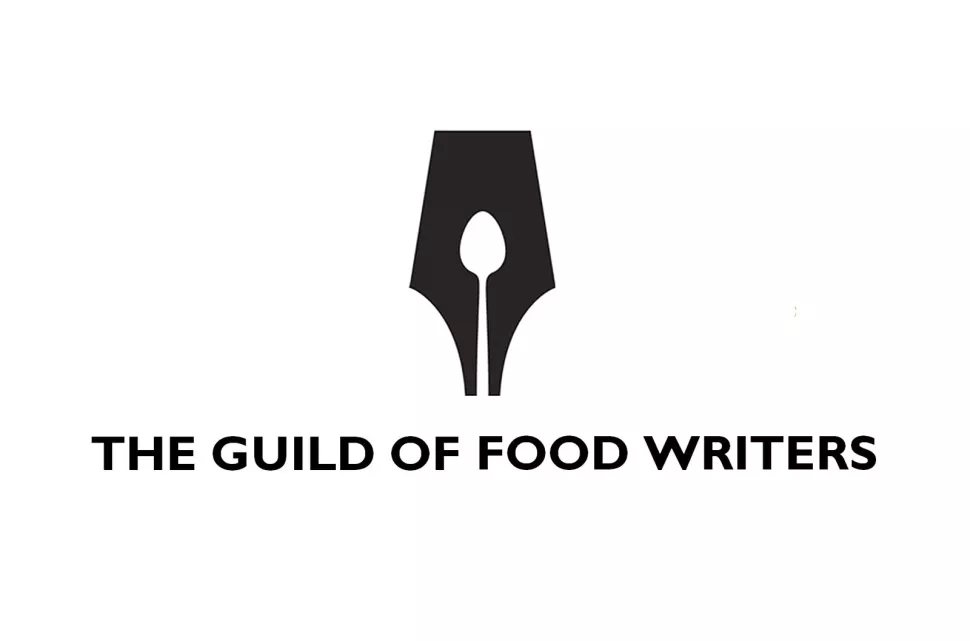
Image: The Guild of Food Writers logo | Design Studio: 300Million
Founded in 1984, The Guild of Food Writers is a professional association of the UK’s top food writers, broadcasters, and critics. This organization is dedicated to creating networks and communities within food journalism and culinary education.
This logo makes great use of both positive and negative space. 300Million took two concepts, writing and food, and created a logo that perfectly combined the two. The designers used the negative space from a fountain pen nib and designed it to look like a spoon.
300Million was founded in 2004 and gained a lot of recognition and praise for their work, but fell into administration in 2012.
This memorable logo is so simple but impactful due to its unique design and concept. This logo is displayed in equal stripes. Besides the stripes there is nothing else to this logo. There are no other logos like this IBM one. This is a benefit for IBM because of the attention the logo draws. It is even more helpful that a unique design results into the logo being more attractive to the viewer. This is also an advantage because you are more likely to remember this brand and logo due to its design.
This technique incorporates both positive and negative space. The positive space allows for the shape of the “IBM” to be formed. These strong lines allow for the negative space to be just as strong. The negative space creates the “full” IBM letters to your eyes but allows more movement through the logo due to the negative space. This is beautifully done. This truly creates something complex but simple and something that you will remember.
Designer Paul Rand designed this smart and simple logo for IBM. This has been the IBM logo since 1972. Rand is best known for his corporate logo designs such as IBM, UPS, ABC, Enron, Morningstar, and many more. Rand approached his logo designs using asymmetrical layouts, typography (san serif in specific), photography, and montage. He once said “one quickly realizes that simplicity and geometry are the language of timelessness and universality” (Rand).



 Graphic Design Spring '22